
I used to think getting healthier meant spending more money, until I realized most affordable wellness habits without expensive supplements or subscriptions are either free or close to it. I’d scroll past influencers shilling $80 greens powders and $40-a-month meditation apps, feeling like wellness wasn’t built for my bank account. Turns out, the most effective habits I’ve built cost me virtually nothing. They just required me to actually show up and do them consistently.
1. Walking 30 Minutes a Day, Rain or Shine
You don’t need a Peloton membership or a boutique gym pass. Walking is the single most underrated form of exercise, and the research backs it up. A 2023 study published in the European Journal of Preventive Cardiology found that even 4,000 steps a day significantly reduces the risk of dying from any cause.
I started walking every morning before work about two years ago. No podcast, no music, just me and whatever neighborhood sounds happen to exist at 6:45 AM. It clears my head better than any supplement ever did. The only cost? A decent pair of shoes, and honestly, my old Nikes worked fine for the first six months.

2. Drinking More Water (Seriously, That’s It)
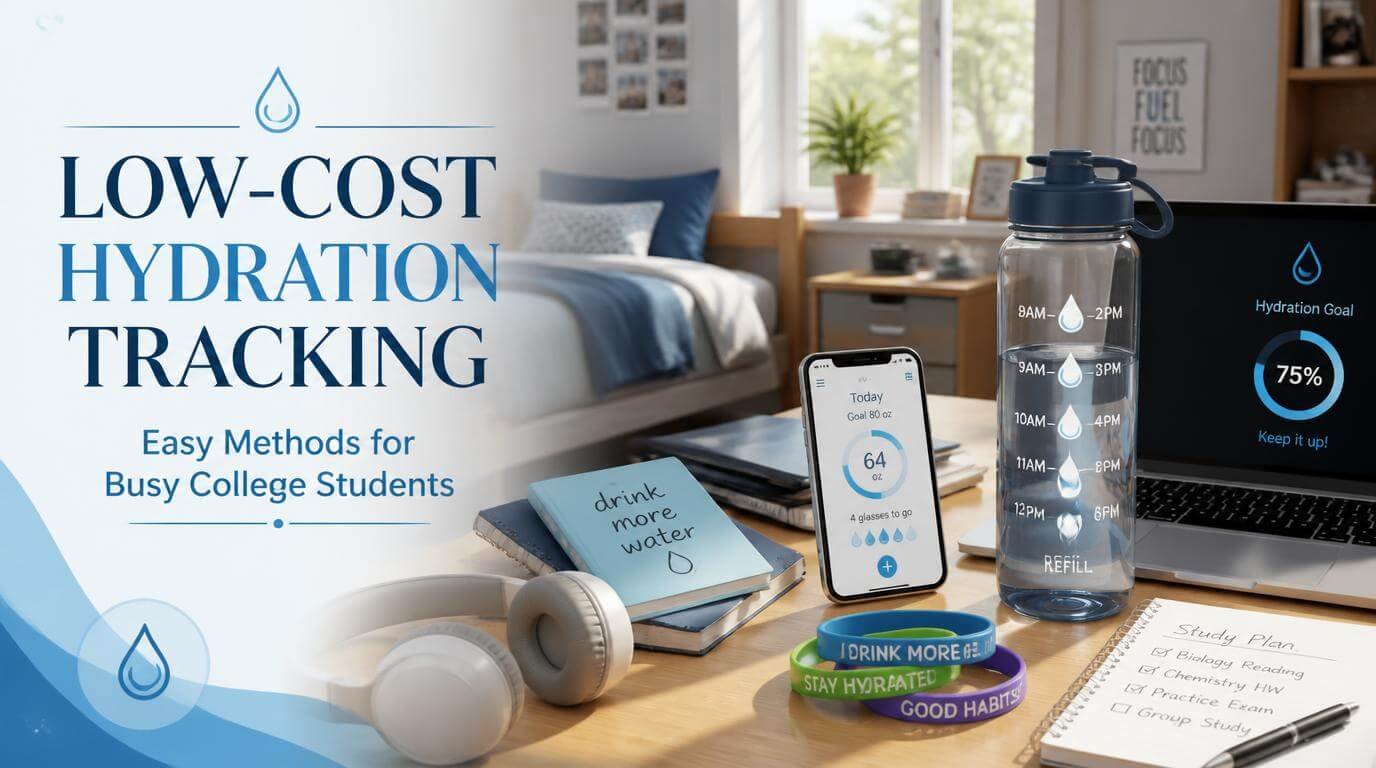
It sounds almost too simple, but most people are mildly dehydrated without realizing it. I bought a $12 Nalgene bottle and started carrying it everywhere. Within a week, my skin looked better, my afternoon energy crashes disappeared, and my headaches became way less frequent.
The trick that actually worked for me was front-loading. I drink about 20 ounces right when I wake up, before coffee, before anything. By noon, I’ve already hit half my daily goal without thinking about it. No fancy electrolyte packets needed. Just plain water from the tap.
3. Cooking One More Meal at Home Per Week
I’m not suggesting you meal prep seven days of chicken and rice in matching containers. That’s not my life. But swapping one takeout meal per week for something homemade changed my nutrition more than any protein powder ever could.
My go-to is a big sheet pan of roasted vegetables with whatever protein is on sale. Sweet potatoes, broccoli, chickpeas, olive oil, salt, done. It costs maybe $6 for three servings. Compare that to a $16 salad from Sweetgreen, and you start seeing how quickly the savings add up. Better ingredients, bigger portions, and you actually know what’s in your food.
4. Stretching for 10 Minutes Before Bed
I ignored this advice for years because it felt too boring to matter. Then I hit 30, my lower back started aching from sitting all day, and I got desperate. Ten minutes of simple stretching before bed, focusing on hamstrings, hip flexors, and shoulders, turned things around within two weeks.
I follow along with free YouTube videos from channels like Yoga With Adriene or Tom Merrick. Zero cost. No subscription. I do it on the carpet in my bedroom wearing whatever I slept in the night before. It improved my sleep quality noticeably, which I didn’t expect. My body just settles into bed differently when it’s not wound up tight like a spring.

5. Getting Sunlight Within the First Hour of Waking Up
This one came from Dr. Andrew Huberman’s podcast, and it’s the rare piece of wellness advice that’s both scientifically sound and completely free. Morning sunlight exposure helps regulate your circadian rhythm, which affects sleep, mood, energy, and even appetite.
I step outside for about 10 minutes each morning, usually during my walk. On cloudy days, I still go out because even overcast light provides enough lux to trigger the effect. Since making this a habit, I fall asleep faster at night and wake up less groggy. No melatonin gummies required. No light therapy lamp purchase. Just the actual sun doing its job.
6. Journaling With a Cheap Notebook
Therapy is valuable, and I’m not saying journaling replaces it. But between sessions, writing down my thoughts for five minutes a day has been a surprisingly effective way to manage stress and anxiety. I use a $3 composition notebook from Target. Nothing fancy. No guided prompts from a $25 wellness journal.
I write whatever comes to mind. Sometimes it’s a brain dump of anxious thoughts. Sometimes it’s a quick list of things that went well. The format doesn’t matter as much as the consistency. Getting thoughts out of my head and onto paper makes them feel more manageable. It’s one of the most affordable wellness habits without expensive supplements or subscriptions that I recommend to literally everyone I know.
7. Cold Water Face Rinse Every Morning
Full cold plunges are trendy, but I’m not buying an ice barrel for my apartment. What I do instead is end my morning routine by splashing ice-cold water on my face for about 30 seconds. It wakes me up instantly, reduces puffiness, and gives me a small but real energy boost.
There’s some evidence that cold exposure, even minor, activates your sympathetic nervous system and increases norepinephrine. I don’t pretend to be a scientist, but I can tell you it works better than a second cup of coffee most mornings. And the cost is literally turning your faucet handle to the right.
8. Using Free Meditation Apps Instead of Paid Ones
Calm and Headspace are great, but they charge $70 or more per year. Meanwhile, Insight Timer offers thousands of free guided meditations from real teachers. I’ve used it almost daily for over a year and never paid a cent.
The YouTube channel “The Honest Guys” also has excellent free sessions ranging from five minutes to an hour. My personal favorite is their “deep sleep” meditation, which I play through my phone speaker on my nightstand. You don’t need a premium subscription to sit still and breathe for ten minutes. The air is free. Your attention is the only investment.

9. Batch-Brewing Herbal Tea Instead of Buying Wellness Drinks
Those $5 kombucha bottles and adaptogenic latte mixes add up fast. I started buying loose-leaf herbal tea from brands like Traditional Medicinals and Stash, then brewing a big pitcher to keep in the fridge. A box of 16 tea bags costs around $5 and lasts me nearly two weeks.
Peppermint tea settles my stomach. Chamomile helps me wind down. Ginger tea is fantastic for digestion. None of these are miracle cures, but they replace expensive wellness beverages with something that’s genuinely soothing and costs pennies per cup. I drink it iced in summer and hot in winter, and it’s become one of my favorite daily rituals.
10. The “No Phone for the First 30 Minutes” Rule
This isn’t a product or a supplement. It’s a boundary. For the first 30 minutes after waking up, I don’t check my phone. No email, no Instagram, no news. I just exist, make coffee, stretch, look out the window.
The effect on my mental health has been significant. Starting the day without immediately absorbing other people’s problems, opinions, and curated highlight reels gives me a calmer baseline. I’m more patient. Less reactive. It’s one of those affordable wellness habits without expensive supplements or subscriptions that sounds almost too easy, but the difficulty is in the discipline. Your phone is right there. Ignoring it takes practice.
11. Growing Fresh Herbs on Your Windowsill
A small pot of basil, mint, or rosemary costs about $3 from a nursery or Home Depot. These herbs end up in my cooking, my tea, and occasionally just sitting on my desk smelling good. It’s a tiny act of nurturing something alive, and it gives back more than you’d expect.
Mint is practically impossible to kill, so start there if you have zero gardening experience. I toss fresh mint into my water pitcher, tear basil over pasta, and snip rosemary for roasted potatoes. It’s a small thing, but small things compound. You eat a little better. You feel a little more connected to your food. And it cost you less than a single protein bar.

12. Building a Sleep Routine That Costs Nothing
Good sleep is the foundation of every other wellness habit, and you don’t need a $200 weighted blanket or a fancy sleep tracker to get it. What worked for me was consistency. Same bedtime, same wake time, even on weekends. It felt restrictive at first, and now my body just knows when to shut down.
I keep my room cool, around 67 degrees, and I dim the lights about an hour before bed. No screens in the bedroom. I read a paperback instead. These changes cost me $0, and they improved my sleep more than the magnesium supplements I used to take. Your body wants a routine. Give it one.
Why Affordable Wellness Habits Without Expensive Supplements Actually Work Better
The wellness industry profits from making you feel like you’re always one product away from feeling good. But the truth is, the fundamentals never change. Sleep, movement, hydration, sunlight, stress management, and real food will always outperform the latest trending supplement.
I spent years chasing optimization through purchases. Greens powders, collagen peptides, nootropic stacks, monthly subscription boxes. Most of them made zero noticeable difference. The habits I listed above? Every single one made a measurable, felt impact on how I feel day to day. And they cost me almost nothing.
Frequently Asked Questions
Can you really improve your health without any supplements at all?
Absolutely. Unless a doctor identifies a specific deficiency through bloodwork, most people get what they need from a balanced diet and basic healthy habits. Supplements can fill gaps, but they’re not a substitute for sleep, exercise, and real food. I dropped all my supplements for six months and felt no difference whatsoever. That told me everything.
What are the best affordable wellness habits for beginners?
Start with three things: drink more water, walk for 30 minutes daily, and get morning sunlight. These require zero equipment and zero spending. They build a foundation of energy, mood stability, and better sleep that makes every other habit easier to adopt. I started here and added one new habit per month.
Do free meditation apps actually work compared to paid ones?
Yes. Insight Timer has a massive library of free guided meditations that rival anything on Calm or Headspace. The quality of your meditation depends on your consistency, not the price of the app. I’ve tried both paid and free options, and my results have been identical. Save your money.
How do I stay consistent with affordable wellness habits without expensive supplements or subscriptions?
Tie each new habit to something you already do. I stretch after I brush my teeth. I journal while my coffee brews. I walk right after waking up. This “habit stacking” approach, popularized by James Clear in Atomic Habits, removes the need for motivation. The existing routine acts as your trigger.
Is walking really enough exercise for good health?
For most people, regular walking provides enormous benefits. It lowers blood pressure, improves cardiovascular health, supports mental clarity, and helps maintain a healthy weight. If you want to build muscle, you’ll eventually want to add resistance training. But walking alone puts you ahead of roughly 75% of the population in terms of daily movement.
Conclusion
Feeling good doesn’t require a credit card. The most impactful changes I’ve made to my health cost nothing or next to nothing, and they’ve outlasted every expensive product I ever tried. What’s one free habit you’ve been meaning to start?